How to Prepare Your Commercial Roof for OSHA and Insurance Inspections
December 4, 2025 4:20 pm Leave your thoughtsA commercial roof is more than just a structural element; it plays a critical role in the protection of your building, employees, and business operations. That’s why it’s essential to ensure your commercial roof is ready for both OSHA roof inspection requirements and insurance inspections. These evaluations can have significant implications for your legal compliance, insurance premiums, and even business continuity. Whether your building is aging or newly constructed, preparation is the key to a smooth inspection process. Let’s explore how to properly prepare your commercial roof for both OSHA and insurance inspections.
OSHA Roof Inspection Requirements
The first step in preparation is understanding what the Occupational Safety and Health Administration (OSHA) expects when inspecting a commercial roof. OSHA roof inspection requirements are designed to ensure that the work environment is safe for everyone, especially those who work at height. These requirements focus heavily on fall protection systems, access points, walking surfaces, and training compliance.
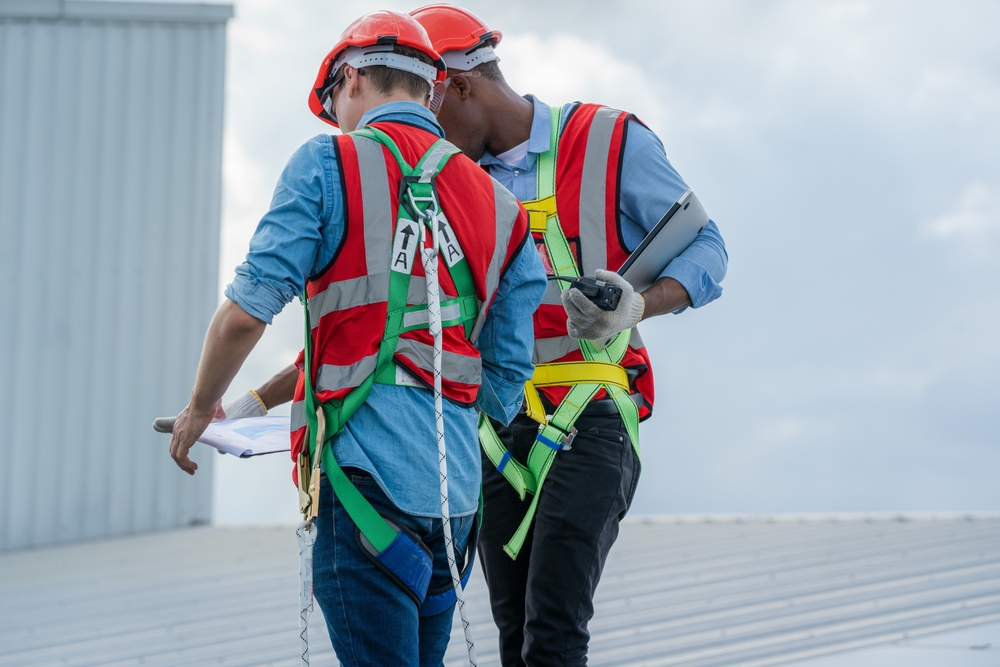
Inspectors look closely at the fall protection systems in place, which might include guardrails, personal fall arrest systems, safety nets, or warning line systems. Every system must meet specific criteria, including proper anchorage and usage protocols. All openings, such as skylights or access hatches, must be protected or clearly marked to prevent accidental falls. If any of these elements are missing or in disrepair, your facility could be fined or cited for non-compliance.
Additionally, OSHA emphasizes worker training and education. Employers must ensure that anyone working on the roof has received adequate training on hazard recognition and the correct use of safety equipment. Any failure in this area can result in serious consequences, both in terms of legal liability and worker safety. Preparing for an OSHA inspection, therefore, means more than just having equipment in place, it means creating a culture of safety that can be demonstrated at every level.
Inspect Roof Safety Features Thoroughly
Before any formal inspection takes place, it’s critical to perform an internal roof safety inspection to identify potential hazards. Begin by examining the integrity of the roof membrane and structure. Look for any signs of deterioration, ponding water, or loose materials. These issues can signal underlying structural problems that might raise red flags during an insurance or OSHA inspection.
Next, assess the condition and placement of fall protection features. All ladders, railings, anchor points, and personal fall arrest systems must be fully operational and compliant with the latest OSHA standards. Inspectors will test these components, and any failures can halt work or result in citations.
Access points should be another focus. Ensure that ladders and rooftop doors are secure, well-maintained, and meet access requirements. If the inspection includes walking surfaces, they should be free from slip hazards and clearly designated for safe travel. This includes checking for debris, ensuring adequate drainage, and confirming that walking paths are appropriately marked.
Don’t forget about signage. Warning signs should be placed in visible locations to alert workers to potential hazards. These signs should be weather-resistant and compliant with OSHA visibility standards. Inspectors often look for these details, as they reflect your organization’s commitment to proactive safety management.
Organize Documentation and Maintenance Records
A well-maintained commercial roof is one thing, but being able to prove that it has been cared for is equally important. Both OSHA and insurance inspectors will often ask for documentation to verify that routine maintenance, safety training, and equipment inspections have been performed regularly. Keeping these records organized and easily accessible can significantly expedite the inspection process.
Your documentation should include detailed logs of roof maintenance activities, repairs, inspections, and upgrades. Any contractor visits or modifications made to the roof must be recorded, including the nature of the work and the date it was completed. Insurance inspectors will want to confirm that your roof has not been neglected, while OSHA inspectors may look for compliance with required inspection schedules.
Training records are another crucial piece of documentation. Ensure that you have updated training logs for every employee who accesses the roof. These should include the date of training, the topics covered, and the name of the trainer. This information helps verify that all personnel are qualified to perform rooftop tasks safely.
Emergency preparedness plans and hazard communication programs should also be part of your documentation set. If your site has a rooftop emergency evacuation plan or hazard-specific response procedures, be ready to share them. The presence of comprehensive documentation shows that your facility is proactive and compliant with regulatory standards.
Coordinate with Your Insurance Provider and Contractors
Preparation for an insurance roof safety inspection involves collaboration with your insurance provider and any contractors who have worked on your roof. Reach out to your insurance company to understand their specific inspection criteria. While some insurers simply assess the condition of the roof, others may evaluate the building’s overall risk profile, including safety features and maintenance protocols.
Ask your provider for a checklist or sample inspection report. This will help you align your preparation efforts with what the inspector will be evaluating. The insurer may also recommend a pre-inspection consultation, which can identify high-risk areas before the formal evaluation takes place.
Your contractors, particularly roofers and maintenance technicians, should be brought into the loop early. They can help you verify that repairs have been completed to industry standards and that fall protection systems are OSHA-compliant. Contractors may also be able to assist with inspections or provide documentation of their work, which can serve as further evidence of due diligence.
Don’t overlook the benefits of scheduling a professional inspection from a third-party roofing consultant. These experts can offer an unbiased assessment of your roof’s condition and safety compliance, helping you catch problems before they’re flagged during a formal inspection.
Conduct a Final Walkthrough Before the Inspection
A final walkthrough is your last opportunity to correct any issues before the inspector arrives. Ideally, this walkthrough should be completed several days before the scheduled inspection, giving you enough time to make necessary adjustments. Treat this walkthrough as if it were the actual inspection, evaluating everything from physical conditions to documentation readiness.
Start by rechecking all fall protection systems. Test the functionality of anchor points, harnesses, and guardrails. Confirm that they are not only present but also in proper working order. If your roof uses temporary protection measures, ensure they are properly installed and in compliance with OSHA roof inspection requirements.
Inspect for visible signs of wear or damage. Look at the seams, flashings, and drainage systems. Even minor issues can escalate quickly if they are identified during an inspection. Correct any debris accumulation or signs of water pooling, as these are commonly cited concerns during insurance evaluations.
Make sure that all documentation is ready to present. Store your records in a digital format for easy sharing, or have printed copies available in a dedicated binder. Whoever will be accompanying the inspector should be familiar with the documentation and able to answer basic questions about the roof’s history and safety protocols.
Finally, prepare your team. Inform all employees who might be involved in or affected by the inspection. Ensure that authorized personnel are available to escort the inspector, provide access to secured areas, and respond to any immediate concerns. This level of readiness reflects positively on your organization and can help facilitate a smooth and successful inspection.
Conclusion
Preparing your commercial roof for OSHA and insurance inspections is not just about checking boxes; it’s about establishing a safety-first culture that prioritizes compliance, transparency, and ongoing maintenance. By understanding OSHA roof inspection requirements and proactively conducting a thorough roof safety inspection, you demonstrate your commitment to the well-being of your workforce and the integrity of your facility.
From inspecting rooftop access points to organizing maintenance records, every step you take contributes to a successful outcome. Partnering with insurance providers and contractors, conducting a final walkthrough, and ensuring documentation is complete are all critical elements in the preparation process. These actions don’t just protect your roof; they protect your people, your assets, and your business as a whole.
In today’s risk-aware environment, being inspection-ready at all times is not just smart; it’s essential. Take the initiative now to prepare, and your efforts will pay dividends when the inspector arrives.
Need a Roofing Company in Springfield, MA?
Since 1987, R & H Roofing has remained one of the most trusted names in the roofing industry. We specialize in commercial and industrial roofing and offer a wide variety of roofing systems including EPDM systems, TPO Systems, Metal Roofing Systems, BUR Tar & Gravel Systems, Asphalt Shingles, and PVC Systems. We also work with some of the leading manufacturers including Firestone, Carlisle, Duro-last, and Garland. Contact us today to learn more about what we can do for you!
Categorised in: Commercial Roofing
This post was written by admin