The “Hidden Killers” of Commercial Roofs
January 30, 2026 3:47 pm Leave your thoughtsCommercial roofs are often out of sight and, unfortunately, out of mind. Yet these structures endure some of the harshest environmental conditions, from baking sun to pounding rain, gusty winds to heavy snow. Unlike other visible parts of a building that get frequent attention, roofs are typically ignored until a significant issue arises. The trouble is, by the time symptoms appear, the underlying damage is often extensive and expensive. Many property managers and business owners remain unaware of the hidden killers slowly deteriorating their roofing systems.
Understanding the common commercial roof issues and the subtle threats that compromise their integrity can help extend a roof’s lifespan, reduce emergency repair costs, and maintain a safe working environment inside. Here are five key areas where hidden dangers may be quietly undermining the health of a commercial roof.
Moisture Infiltration: The Stealth Invader
One of the most underestimated threats to any roofing system is moisture. Commercial roofs are designed to be waterproof, but over time, even the most robust systems can become vulnerable. Small cracks, open seams, and deteriorating flashing are often the entry points for water. Once inside, moisture can cause rot in wooden supports, rust on metal structures, and damage to insulation materials.
What makes this especially dangerous is that moisture infiltration often remains undetected until the damage becomes visible through ceiling stains or mold growth. By that point, the cost of repair usually skyrockets. Trapped water can also freeze and expand during colder months, further aggravating existing weaknesses. In extreme cases, structural compromise could even result in roof collapse.
Routine inspections, moisture scanning, and maintaining a watertight seal at all junctions and edges can help prevent these issues. Ignoring them invites slow and steady deterioration that is expensive and hazardous.
Poor Drainage: A Slow Descent Into Failure
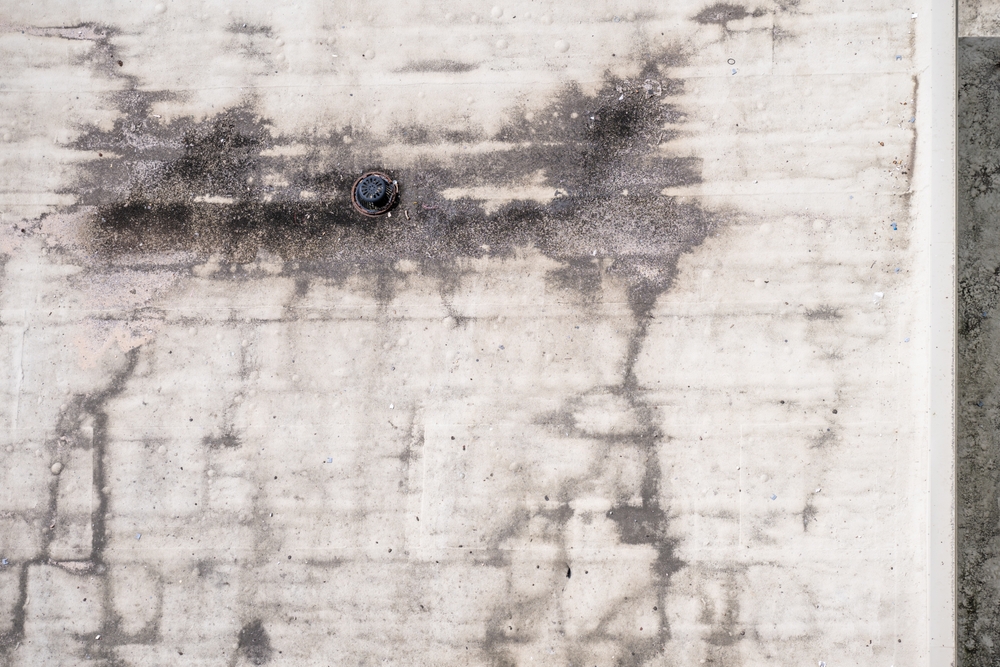
Commercial roofs typically have low slopes or are completely flat, which makes efficient drainage critical. Without it, standing water (also known as ponding water) can become a recurring problem. Water that lingers for more than 48 hours after rainfall indicates a drainage issue that should not be ignored.
When water pools, it adds weight and places undue stress on the roofing structure. It also accelerates the breakdown of roofing membranes, allowing water to seep into the underlying layers. The longer water remains in place, the greater the chance it will exploit even the smallest imperfection.
Clogged drains, poorly sloped surfaces, and obstructed gutters are all culprits of poor drainage. Over time, what seems like a minor nuisance becomes a serious contributor to roofing system deterioration. Ensuring that drains are clear and properly positioned is vital to protecting the long-term integrity of the roof.
UV Radiation and Thermal Cycling: The Invisible Assault
Many people associate sun damage with human skin or car interiors, but commercial roofs also suffer significantly from prolonged UV exposure. Ultraviolet radiation slowly breaks down roofing materials, causing them to crack, fade, and lose elasticity. Membranes that once flexed with temperature changes become brittle and prone to splitting.
Thermal cycling, the process of repeated heating and cooling, exacerbates the problem. During the day, roofing materials expand under intense sunlight. At night or during colder seasons, they contract. This constant expansion and contraction weakens seams, causes fasteners to loosen, and gradually opens up pathways for water intrusion.
Roofs in regions with extreme temperature variations face an even higher risk. Without reflective coatings or proper material selection, the roofing system becomes a victim of its own environment. The result is premature aging that can take years off the roof’s expected lifespan.
Foot Traffic and Improper Maintenance: The Human Factor
While natural elements are often blamed for roof wear and tear, human activity can be just as damaging. Technicians accessing HVAC systems or solar panels often walk across the roof without understanding its fragility. If walkways are not designated, or protective pads are not installed, the roofing surface can get punctured or compressed.
Maintenance teams may also unknowingly cause damage when clearing debris or performing unrelated repairs. Dropped tools, harsh cleaning chemicals, or simply dragging equipment can all leave marks that lead to leaks or structural compromise over time.
Furthermore, lack of maintenance is a hidden killer in itself. Debris buildup, unchecked plant growth, and ignored minor damages allow small problems to grow. A neglected roof deteriorates much faster than one that is regularly assessed and cared for. Clear protocols and trained personnel can make a major difference in preserving the roofing system.
Aging and Material Fatigue: Time’s Relentless Grip
Every roof, no matter how well designed, has a finite life. Materials degrade with age, and after years of exposure to the elements, they become more susceptible to failure. Bitumen dries out, membranes lose adhesion, and sealants crack.
The deterioration may not be uniform either. Some areas, such as those exposed to more direct sunlight or water runoff, may age faster than others. This uneven wear makes it even harder to predict failure points, especially without routine inspections.
Once a roof reaches a certain age, it is not just one issue but a combination of small vulnerabilities that collectively contribute to decline. Trying to extend the life of an aging roof without proactive intervention only increases the risk of sudden and costly repairs. A strategic plan that includes condition assessments, phased repairs, or timely replacement can save money and prevent emergencies.
Proactive Defense Against Hidden Roof Killers
Commercial roofs are critical assets that deserve more attention than they typically receive. While they may appear solid and intact from a distance, hidden killers such as moisture infiltration, poor drainage, UV exposure, human damage, and material aging are constantly at work behind the scenes. These threats can accelerate roofing system deterioration if not identified and addressed promptly.
Building owners and facility managers should take a proactive stance. Regular inspections, proper maintenance routines, and early repairs are essential to preserving roof integrity. Investing in prevention not only extends the life of the roof but also protects the business operations that depend on the safety and security of the building.
By recognizing the signs of common commercial roof issues and understanding the forces that undermine these vital systems, decision-makers can take informed steps toward long-term savings and structural resilience. A well-maintained roof is more than just a protective covering; it is a shield against operational disruptions and financial loss. Treat it with the priority it deserves.
Need a Roofing Company in Springfield, MA?
Since 1987, R & H Roofing has remained one of the most trusted names in the roofing industry. We specialize in commercial and industrial roofing and offer a wide variety of roofing systems including EPDM systems, TPO Systems, Metal Roofing Systems, BUR Tar & Gravel Systems, Asphalt Shingles, and PVC Systems. We also work with some of the leading manufacturers including Firestone, Carlisle, Duro-last, and Garland. Contact us today to learn more about what we can do for you!
Categorised in: Commercial Roofing
This post was written by admin