TPO vs. EPDM in 2026
January 31, 2026 3:47 pm Leave your thoughtsThe roofing industry continues to evolve in 2026 with innovative materials offering enhanced performance, cost efficiency, and environmental benefits. Two of the most widely used commercial flat roofing systems are TPO (thermoplastic olefin) and EPDM (ethylene propylene diene monomer). While both materials are designed for durability and weather resistance, each offers unique advantages and potential drawbacks. Understanding the distinctions between TPO and EPDM is essential for property owners, contractors, and developers looking to make the most informed choice for their roofing investments.
What Is TPO Roofing?
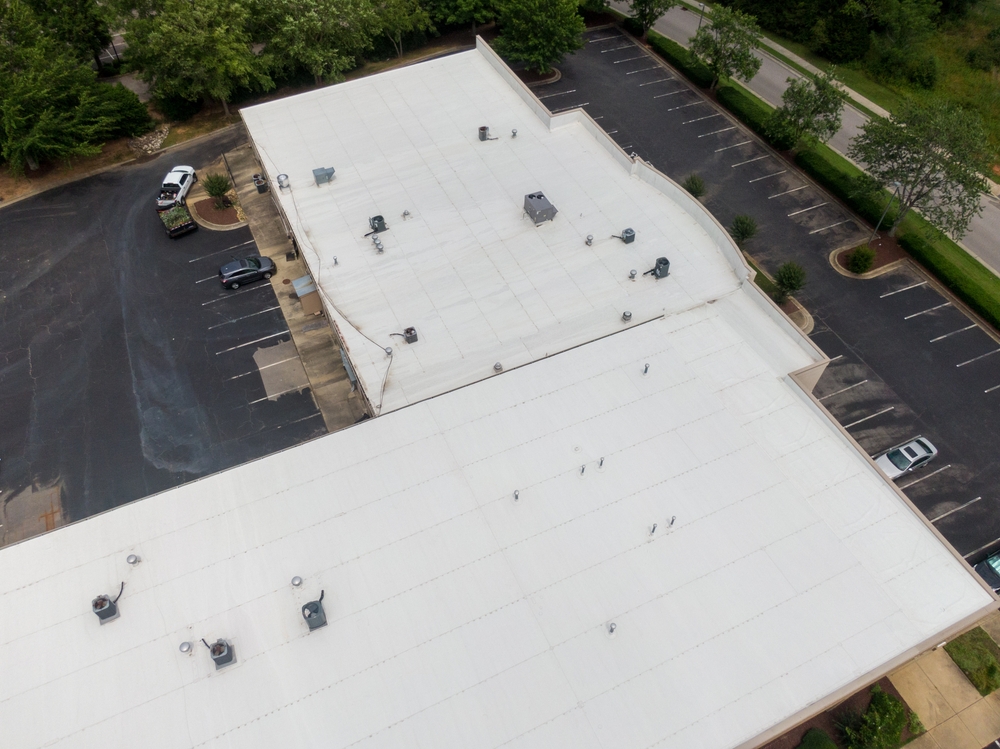
TPO roofing is a single-ply membrane roofing system that has gained popularity due to its reflective surface and energy-saving properties. It is made from a blend of polypropylene and ethylene-propylene rubber, forming a durable, flexible membrane typically white in color. Since its commercial introduction in the 1990s, TPO has quickly become a common choice for commercial buildings thanks to its cost-effectiveness and performance.
One of the key benefits of TPO is its ability to reflect UV rays. This means buildings with TPO roofing often experience lower cooling costs during summer months, making it particularly appealing in regions with high temperatures. Its bright white surface meets Energy Star standards and can contribute to LEED credits, appealing to those prioritizing sustainability in their building practices.
In 2026, TPO technology has continued to improve. Manufacturers have refined the polymer blend to offer better puncture resistance, seam strength, and resistance to algae and dirt buildup. These enhancements make modern TPO more durable than earlier generations, extending its service life and lowering maintenance demands.
However, it is important to consider TPO roofing pros and cons when evaluating its suitability for a project. While cost-effective and energy-efficient, TPO membranes are sensitive to installation quality. Inconsistent seams or improper welding can lead to performance issues over time. Additionally, TPO may become brittle in extremely cold climates, which could impact its longevity if not properly maintained.
Understanding EPDM Roofing
EPDM roofing, often referred to as rubber roofing, has been a staple in the commercial roofing market for decades. It is made from a synthetic rubber compound that provides excellent flexibility, weather resistance, and longevity. Unlike TPO, EPDM is usually black, although white versions are available for better reflectivity.
The appeal of EPDM lies in its time-tested performance. It is particularly resistant to UV radiation, ozone, and harsh weather conditions. EPDM roofs have been known to last 30 years or more with proper maintenance, making them one of the most reliable roofing systems available.
One of the most notable advantages of EPDM is its ease of installation and repair. The membrane can be fully adhered, mechanically attached, or ballasted, and repairs can often be performed with simple patches. This flexibility reduces labor costs and downtime in many scenarios.
When evaluating EPDM roofing pros and cons, it is crucial to consider energy efficiency and aesthetic preferences. Since most EPDM membranes are black, they absorb more heat, which can increase cooling costs during summer months. Although white versions exist, they are less common and can be more expensive. Furthermore, while EPDM is durable, it is more prone to punctures from foot traffic or sharp objects compared to TPO, particularly in high-traffic areas.
Installation and Maintenance Considerations
The success of either roofing system largely depends on the quality of installation and the suitability of the membrane for the specific building environment. TPO and EPDM have different installation requirements, and each comes with its own learning curve for roofing professionals.
TPO membranes are heat-welded at the seams using specialized equipment. This process creates a strong, watertight bond that is highly resistant to leaks when installed correctly. However, it demands skilled labor and precise execution. Improper welding can lead to seam failure, which may compromise the integrity of the roof.
In contrast, EPDM membranes are typically installed using adhesives or ballasts, which do not require high heat. This makes EPDM installation somewhat more forgiving and potentially faster in certain situations. Repairs are generally easier with EPDM, especially when patching small tears or punctures.
Maintenance is another key consideration. TPO roofs may need more frequent inspections to ensure seam integrity, especially if the membrane is exposed to extreme temperature fluctuations. However, their reflective surface helps reduce dirt accumulation and lowers energy costs. EPDM roofs, while highly resistant to UV degradation, may show signs of wear near seams or in areas with excessive foot traffic, requiring periodic patching or reinforcement.
In 2026, more roofing contractors are investing in advanced training and equipment to ensure proper installation of both systems. As a result, the performance gap due to installation errors is narrowing, although the initial choice of material still carries weight depending on the project goals.
Environmental and Energy Efficiency Impacts
As sustainability becomes an increasingly important factor in construction decisions, the environmental impacts of roofing materials play a larger role in selection. Both TPO and EPDM have environmental benefits, though they differ in how they contribute to energy efficiency and waste reduction.
TPO’s most significant environmental benefit is its reflectivity. White TPO roofs can reflect up to 80 percent of the sun’s UV rays, reducing the urban heat island effect and lowering interior cooling demands. This makes TPO especially attractive for projects aiming to achieve LEED certification or reduce greenhouse gas emissions. In 2026, new formulations of TPO incorporate recycled materials and are more easily recyclable themselves, aligning with circular economy goals.
EPDM, although traditionally less reflective, has strong longevity and durability that reduce the need for frequent replacement. A longer-lasting roof means fewer materials going to landfills over time. Black EPDM can be a good choice in colder climates where increased heat absorption reduces heating costs during winter months. Manufacturers have also begun producing EPDM with higher solar reflectance to compete with TPO’s cooling benefits.
When choosing between TPO and EPDM, location and climate are essential factors. In hot, sunny regions, the reflective properties of TPO offer better overall energy savings. In contrast, colder regions might benefit more from EPDM’s insulating warmth. Life cycle assessments suggest that when properly maintained, both systems can be environmentally responsible choices.
Cost Comparison and Value Over Time
Cost remains one of the most influential factors in roofing decisions, and both TPO and EPDM offer distinct value propositions in 2026. While initial costs can vary based on project size, material thickness, and installation method, a general comparison shows that TPO tends to be slightly more affordable upfront than EPDM.
TPO’s cost efficiency stems from its light weight and ease of transportation, along with the high availability of materials due to its widespread use. Its energy savings during hot months can also contribute to lower operating costs over time, especially for buildings with large HVAC loads. However, TPO’s lifespan may be shorter than EPDM’s in some cases, depending on environmental exposure and installation quality.
EPDM’s higher upfront cost is often justified by its durability and reduced maintenance needs over the long term. When properly maintained, EPDM roofs can last 30 years or more, which may offset the higher material and labor costs at the beginning. For buildings in moderate or cold climates, the energy impact of EPDM’s black surface may not be a significant drawback.
As of 2026, manufacturers of both systems are offering extended warranties and enhanced material formulations, giving property owners more confidence in the long-term performance of their roofs. When calculating total cost of ownership, it is important to account not just for installation but also energy usage, maintenance, and repair costs over the expected lifespan of the system.
Conclusion
Choosing between TPO and EPDM in 2026 requires a careful evaluation of project-specific needs, climate, energy goals, and long-term value. Both roofing systems offer reliable protection and have evolved with technological advancements to meet modern building standards. TPO provides strong energy-saving potential in warmer climates with its reflective surface and improved material science. EPDM offers exceptional durability, flexibility, and proven longevity, especially in variable or colder climates.
By weighing TPO roofing pros and cons against EPDM roofing pros and cons, property owners and contractors can make a well-informed decision that aligns with their goals for efficiency, cost-effectiveness, and environmental impact. As the roofing industry continues to advance, both materials are poised to remain top choices for commercial buildings across a variety of applications.
Need a Roofing Company in Springfield, MA?
Since 1987, R & H Roofing has remained one of the most trusted names in the roofing industry. We specialize in commercial and industrial roofing and offer a wide variety of roofing systems including EPDM systems, TPO Systems, Metal Roofing Systems, BUR Tar & Gravel Systems, Asphalt Shingles, and PVC Systems. We also work with some of the leading manufacturers including Firestone, Carlisle, Duro-last, and Garland. Contact us today to learn more about what we can do for you!
Categorised in: Commercial Roofing
This post was written by admin