Does Rubber Roofing Help Reduce Long-Term Maintenance Costs?
April 4, 2026 9:11 pm Leave your thoughtsWhen property owners consider roofing materials, cost is often a primary concern. While the initial installation expense matters, the true value of any roofing system lies in how well it performs over time and what ongoing maintenance demands it creates. Rubber roofing has emerged as a practical choice for many residential and commercial buildings, particularly because of its potential to reduce long-term maintenance costs significantly. Let’s explore whether rubber roofing benefits justify the investment and how this material compares to traditional alternatives.
Rubber Roofing Materials and Their Durability
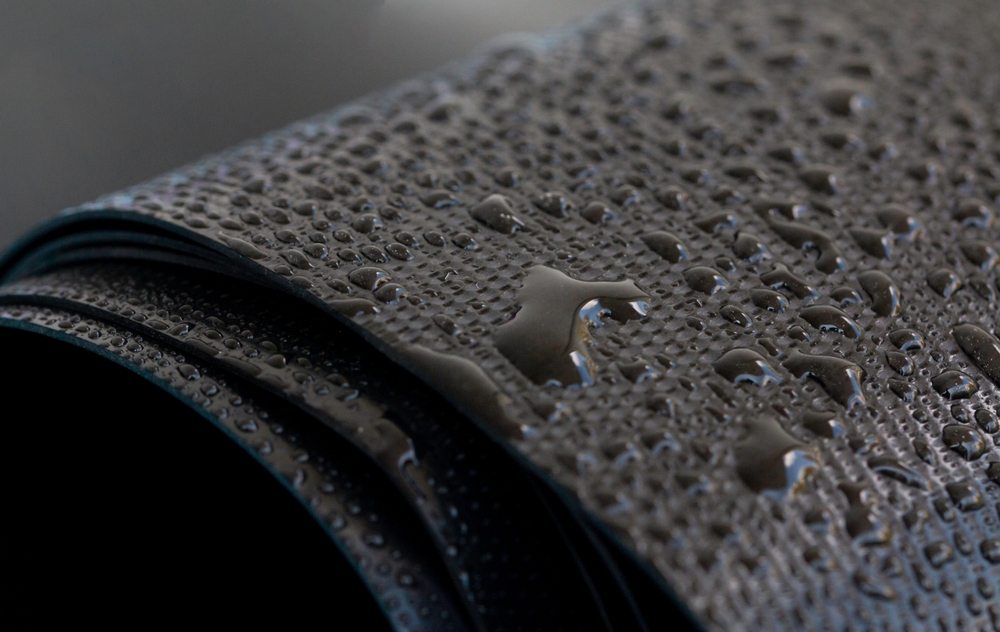
Rubber roofing, typically made from ethylene propylene diene terpolymer (EPDM) or recycled rubber materials, represents a modern approach to roof protection. These materials are designed to withstand harsh weather conditions, temperature fluctuations, and UV exposure that traditional materials struggle with over extended periods. The composition of rubber allows it to remain flexible even in cold temperatures, preventing the cracking and splitting that often occurs with less resilient materials.
The durability factor is crucial when examining whether rubber roofing reduces maintenance costs. A rubber roof can last 40 to 50 years when properly installed and maintained, which is significantly longer than many traditional asphalt shingle roofs that typically last 15 to 25 years. This extended lifespan means fewer replacement cycles over the lifetime of a building. When you factor in the labor costs, material expenses, and disruption associated with roof replacements, the long-term financial picture becomes clearer. Property owners who invest in rubber roofing today may avoid a costly replacement project decades from now.
Maintenance Requirements and Accessibility
One of the most compelling rubber roofing benefits is the relatively minimal maintenance required compared to other roofing systems. Traditional roofs often need regular cleaning, debris removal, gutter maintenance, and periodic repairs to maintain their integrity. Rubber roofs, by contrast, require less frequent intervention. The material naturally resists algae and moss growth that plagues other roof types, eliminating the need for specialized cleaning treatments and power washing services.
The accessibility of maintenance tasks also contributes to cost reduction. Rubber roofing systems typically allow for straightforward inspections and repairs. When issues do arise, they are often confined and easier to fix than problems in traditional roofing systems. A small puncture or tear can be patched quickly without needing extensive rework or material replacement. This repair simplicity means lower labor costs when maintenance is necessary, and the work can often be completed within a single day rather than requiring multi-day projects.
Homeowners and commercial property managers can also perform basic maintenance tasks themselves, such as checking seams and clearing debris, without needing to hire expensive roofing contractors. This DIY accessibility further reduces the overall maintenance expense over the roof’s lifetime.
Weather Resistance and Damage Prevention
Rubber roofing demonstrates exceptional performance in challenging weather conditions, which directly impacts maintenance costs. The material’s flexibility allows it to expand and contract with temperature changes without developing cracks or leaks. During heavy rainstorms, snow loads, or hail, rubber roofs maintain their integrity better than many traditional materials. This superior weather resistance means fewer emergency repairs and unexpected damage claims.
In regions prone to extreme weather, the protection afforded by rubber roofing becomes even more valuable. Hurricanes, heavy snow, and intense UV exposure cause significant damage to less resilient roofing materials, necessitating frequent repairs and premature replacements. Rubber roofing reduces maintenance costs in these environments by preventing weather-related damage before it occurs. The money not spent on emergency repairs can be substantial, especially in areas where such weather events are regular occurrences.
The material’s UV resistance also prevents the deterioration that causes leaks and structural compromise in traditional roofs. Unlike asphalt shingles that break down under constant sun exposure, rubber maintains its protective qualities over decades, reducing the frequency of maintenance interventions needed to address UV-related damage.
Cost Comparison Over Time
While rubber roofing may have a higher initial installation cost than some traditional options, the rubber roofing benefits become apparent when examining the total cost of ownership. Over a 40-year period, a rubber roof might have an initial cost of 1.5 to 2 times that of an asphalt roof. However, when you account for the replacement costs of traditional roofs every 15 to 25 years, the mathematics become compelling. Does rubber roofing reduce maintenance costs enough to offset the higher initial investment? In most cases, the answer is yes.
Consider a property owner with multiple roofing cycles to manage. Someone installing an asphalt roof might need three replacements over 45 years, while a rubber roof requires only one installation. The labor costs for multiple installation projects, the inconvenience of repeated disruptions, and the potential for interim damage all add up significantly. Rubber roofing concentrates these major expenses into fewer, more distant events.
Additionally, insurance companies sometimes offer modest discounts for homes with rubber roofing due to the reduced risk of weather-related damage and the material’s proven longevity. These insurance savings, while not enormous, contribute another modest reduction to long-term costs.
Environmental and Economic Advantages
Beyond immediate maintenance cost reduction, rubber roofing offers environmental benefits that create economic advantages. Many rubber roofing products contain recycled materials, reducing the environmental impact of manufacturing while supporting sustainable business practices. The longevity of rubber roofing means fewer roofing materials end up in landfills over time, which aligns with growing environmental consciousness.
The economic advantage extends to property value as well. Homes and commercial buildings with rubber roofing often have higher resale values or rental appeal because potential buyers and tenants recognize the long-term cost benefits. This enhanced property value can offset a portion of the initial installation expense and represents another form of cost recovery over time.
The energy efficiency characteristics of some rubber roofing systems also contribute to cost reduction. Reflective rubber roofing options can reduce cooling costs by deflecting sunlight rather than absorbing it. Lower energy bills accumulate significantly over decades, representing another dimension of cost savings beyond traditional maintenance expense reduction.
Conclusion
Rubber roofing benefits extend well beyond initial installation, providing meaningful reductions in long-term maintenance costs through durability, weather resistance, and simplified repairs. While the upfront investment may be higher than traditional alternatives, the extended lifespan, minimal maintenance requirements, and prevention of damage-related expenses create a compelling financial case. For property owners planning to maintain their buildings long-term, rubber roofing represents a smart investment that does indeed help reduce maintenance costs over decades of service.
Need a Roofing Company in Springfield, MA?
Since 1987, R & H Roofing has remained one of the most trusted names in the roofing industry. We specialize in commercial and industrial roofing and offer a wide variety of roofing systems including EPDM systems, TPO Systems, Metal Roofing Systems, BUR Tar & Gravel Systems, Asphalt Shingles, and PVC Systems. We also work with some of the leading manufacturers including Firestone, Carlisle, Duro-last, and Garland. Contact us today to learn more about what we can do for you!
Categorised in: Rubber Roofing
This post was written by admin