How BUR Roofing Systems Protect Commercial Buildings Over Time
April 4, 2026 9:11 pm Leave your thoughtsBuilt-up roofing (BUR) systems have been a cornerstone of commercial construction for decades, providing reliable protection for countless buildings across North America. The longevity of built-up roofing systems makes them an attractive choice for property managers and business owners who need dependable roofing solutions that can withstand years of environmental stress and wear. Understanding how these systems function and why they remain popular in the commercial real estate industry can help facility managers make informed decisions about roof maintenance and replacement strategies.
Understanding Built-Up Roofing Systems
Built-up roofing systems are constructed through a layered application process that creates a durable, waterproof membrane on flat or low-slope commercial roofs. The system consists of multiple layers of bitumen, alternating with reinforcing materials such as fiberglass or polyester, all topped with a protective surface layer of gravel or reflective coating. This multi-ply construction approach has been refined over generations, making BUR one of the most proven roofing technologies available in the commercial building market.
The basic composition of a BUR system includes several critical components working together to create comprehensive protection. Bitumen serves as the primary waterproofing agent, binding all layers together while resisting water penetration. The reinforcing fabric provides structural integrity and helps distribute stress across the roofing surface. The surfacing material, whether aggregate or mineral-based, protects the bitumen from ultraviolet radiation and physical damage. This combination of materials creates a robust barrier that has proven effective for protecting commercial structures for thirty years or more.
The Longevity Benefits of BUR Construction
The longevity of built-up roofing systems stems from several inherent design characteristics that allow these systems to perform reliably throughout their lifespan. One primary advantage is the self-healing capability of bituminous materials, which can respond to minor damage by sealing small cracks and preventing water infiltration before it becomes problematic. When properly installed and maintained, a BUR roof can remain fully functional for twenty-five to forty years, providing exceptional value compared to roofing alternatives.
Environmental protection is another significant factor contributing to the extended lifespan of built-up roofing systems. The aggregate surface layer creates a protective shield that minimizes ultraviolet damage to underlying bitumen. This design philosophy reflects decades of experience in managing the degradation that occurs when roofing materials are exposed to direct sunlight. Additionally, the thermal mass of BUR systems helps regulate building temperature fluctuations, reducing stress on roofing materials caused by rapid expansion and contraction.
Regular maintenance practices directly impact how long a BUR system will protect your commercial property. Property managers who implement preventive maintenance schedules, including regular inspections and prompt repairs of any damaged areas, consistently achieve roofing lifespans at the upper end of the expected range. Addressing small problems before they escalate into major issues prevents premature roof failure and extends the practical lifespan of the entire system.
Best Flat Roof Systems for High-Traffic Buildings
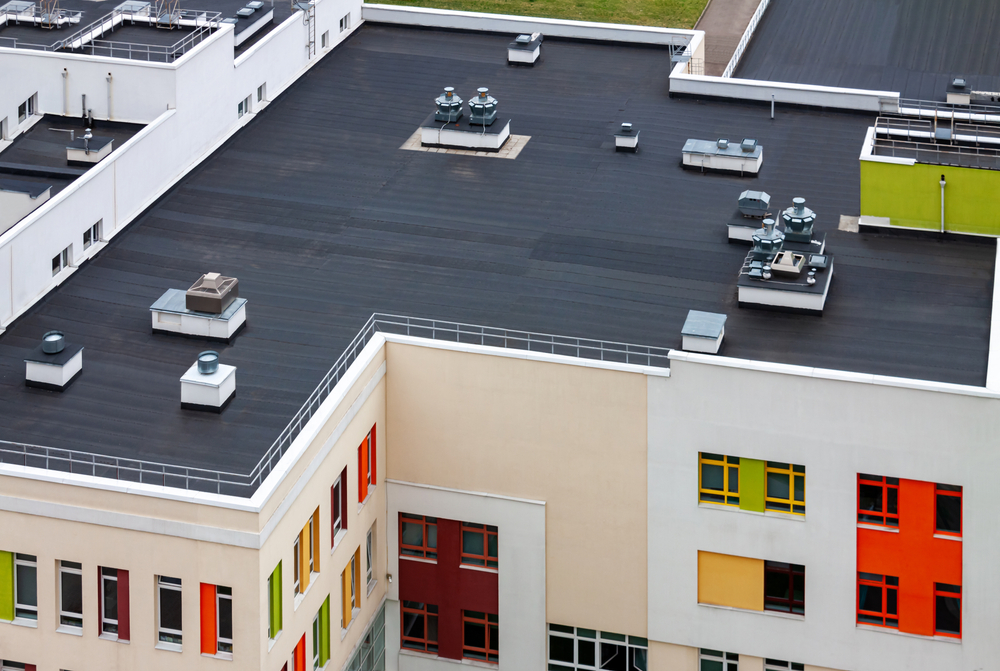
When commercial buildings experience heavy foot traffic from maintenance personnel, HVAC technicians, or other workers accessing the roof regularly, the roofing system must be selected with durability and resilience as primary considerations. The best flat roof systems for high-traffic buildings need to withstand repeated exposure to foot traffic while maintaining their waterproofing integrity. Built-up roofing systems excel in these demanding applications because the layered construction distributes weight effectively across the roofing surface.
Commercial facilities with rooftop mechanical equipment, solar installations, or frequent access points require roofing systems that can tolerate repeated impacts and movement without compromising performance. BUR systems provide excellent resistance to puncture damage compared to single-ply membrane alternatives. The multiple layers and top aggregate surface create a rugged, resilient roofing layer that resists damage from foot traffic, fallen debris, and equipment movement that typically occurs on active commercial roofs.
High-traffic buildings also benefit from the repair versatility that built-up roofing systems provide. When damage occurs on a BUR roof, repair technicians can easily patch affected areas using similar materials and methods. This repair accessibility ensures that facility managers can address problems quickly without extensive downtime or expensive restoration procedures. Many commercial property owners select BUR systems specifically because they understand that maintenance accessibility will be important throughout the roof’s operational life.
Long-Term Performance and Weather Resistance
Commercial roofing systems must endure diverse weather conditions, from intense summer heat to heavy winter precipitation and everything in between. Built-up roofing systems have earned their reputation for reliability because they perform consistently across all climate zones and weather patterns. The multiple-ply construction provides redundant protection, meaning that even if the outer layers sustain damage, underlying layers continue providing waterproofing protection for the building interior.
The thermal movement that occurs as outdoor temperatures fluctuate creates particular challenges for roofing systems in climates with significant seasonal temperature variations. BUR systems handle thermal stress effectively because the flexible bituminous materials can expand and contract without developing cracks that compromise the roofing seal. Property managers in regions with dramatic temperature swings often choose built-up roofing specifically for this performance characteristic.
Wind resistance is another critical performance factor for commercial roofing systems, particularly for buildings in areas prone to severe weather events. The weight and multi-ply construction of built-up roofing systems provide excellent wind resistance, preventing uplift damage that can compromise lighter single-ply roofing systems. The aggregate surface adds additional weight and friction that resists wind forces trying to lift the roofing material away from the building structure.
Maintenance Strategies to Maximize Roof Lifespan
Establishing comprehensive maintenance programs is essential for property managers who want to maximize the performance and longevity of their built-up roofing systems. Regular inspections should be scheduled at least twice annually, preferably in spring and fall, to assess the condition of roofing materials and identify any emerging problems. Professional inspectors can spot signs of wear, bitumen degradation, and potential water intrusion points before they develop into serious concerns.
Keeping the roofing surface clean and free of debris is an often-overlooked maintenance task that significantly impacts roofing longevity. Leaves, dirt, and other debris can trap moisture against the roofing surface, promoting deterioration of bituminous materials. Additionally, debris accumulation in roof drains and gutters can prevent proper water drainage, increasing the risk of standing water that accelerates roof deterioration.
Addressing repairs promptly is crucial for maintaining the integrity of any built-up roofing system. Small cracks, blistering, or separation in the roofing membrane should be repaired as soon as they are discovered. Postponing repairs allows problems to expand, eventually requiring much more extensive and expensive remediation. Commercial property managers should establish relationships with qualified roofing contractors who understand built-up roofing repair procedures and can provide reliable service when issues arise.
Conclusion
Built-up roofing systems continue to serve commercial buildings effectively because their proven design protects structures reliably for decades when properly installed and maintained. The longevity of built-up roofing systems, combined with their suitability as the best flat roof systems for high-traffic buildings, makes them an excellent choice for commercial property owners seeking dependable roofing solutions. By understanding how these systems function and committing to regular maintenance practices, facility managers can ensure that their commercial buildings remain protected throughout the useful life of the roofing system.
Need a Roofing Company in Springfield, MA?
Since 1987, R & H Roofing has remained one of the most trusted names in the roofing industry. We specialize in commercial and industrial roofing and offer a wide variety of roofing systems including EPDM systems, TPO Systems, Metal Roofing Systems, BUR Tar & Gravel Systems, Asphalt Shingles, and PVC Systems. We also work with some of the leading manufacturers including Firestone, Carlisle, Duro-last, and Garland. Contact us today to learn more about what we can do for you!
Categorised in: BUR Roofing
This post was written by admin