How New England Weather Impacts Roofing Systems
May 22, 2026 7:08 pm Leave your thoughtsNew England is one of the most weather-diverse regions in the United States. From the rocky coastlines of Maine to the rolling hills of Connecticut, homeowners across this region face a unique combination of seasonal extremes that few other parts of the country experience. Heavy snowfall, ice storms, nor’easters, humid summers, and dramatic temperature swings all take a serious toll on roofing systems year after year. Understanding how these weather patterns affect your roof is the first step toward protecting one of your home’s most important investments.
Whether you own a colonial in Massachusetts or a farmhouse in Vermont, the demands placed on roofing systems in New England are significant. Ignoring the warning signs of weather-related damage can lead to costly repairs, structural problems, and even interior water damage that spreads far beyond the roof itself.
This guide breaks down the key weather factors at play and explains what they mean for the longevity and performance of your roof.
The Brutal Impact of Snow and Ice on Roofing Systems
Winter is where New England earns its reputation. Snowfall totals in states like New Hampshire, Vermont, and Maine can easily surpass 100 inches in a single season. All of that accumulated snow adds enormous weight to roofing systems, and when it begins to melt and refreeze, the problems multiply quickly.
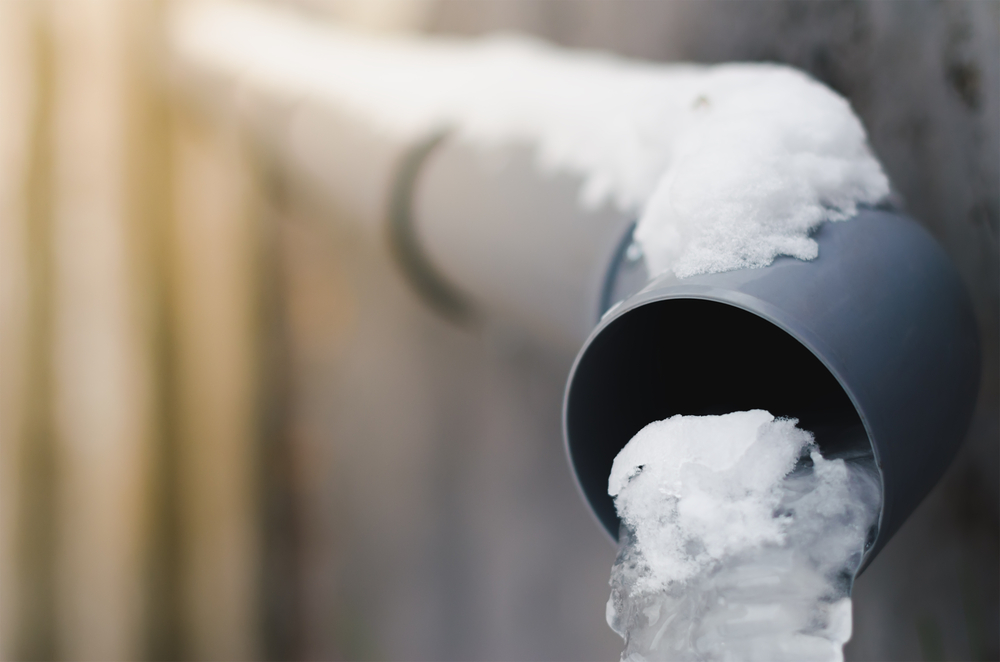
One of the most damaging winter phenomena for any roof is the ice dam. Ice dams form when heat escapes through the roof deck and melts the bottom layer of snow. That meltwater runs down toward the colder eaves and refreezes, creating a ridge of ice that blocks proper drainage. As water backs up behind the dam, it can seep under shingles, penetrate the decking, and find its way into insulation and interior walls.
Ice dams are not just a cosmetic nuisance. They represent a structural threat that can compromise the integrity of roofing systems over time. Proper attic insulation and ventilation are the most effective defenses against ice dam formation, but many older New England homes were built before modern building standards addressed this issue. Homeowners in these properties are especially vulnerable and should schedule regular inspections before and after each winter season.
Beyond ice dams, the sheer weight of heavy snow loads puts stress on roof framing and decking. Flat or low-slope roofs are particularly at risk, as they do not shed snow as efficiently as steeper pitches. When multiple storms arrive in quick succession without time to clear accumulation, the structural load can exceed safe limits. This is why roofing systems in New England are often engineered with higher load tolerances than those built in warmer climates.
Wind and Nor’easters: A Year-Round Threat
New England is no stranger to powerful storms. Nor’easters are among the most intense weather systems to impact the region, capable of producing hurricane-force wind gusts, heavy rain or snow, and extended periods of driving precipitation. These storms arrive with little predictability and can cause widespread damage to roofing systems in a matter of hours.
High winds are one of the leading causes of shingle loss and roof damage across the region. Even asphalt shingles rated for moderate wind resistance can fail when gusts exceed 60 or 70 miles per hour. Once even a single shingle is lifted or torn away, the underlying decking and felt paper are exposed to moisture. What begins as a small breach can quickly escalate into significant water infiltration if repairs are not made promptly.
Coastal areas of New England face additional challenges. Salt air accelerates the degradation of roofing materials, causing metal components like flashing, fasteners, and gutters to corrode faster than they would inland. Roofing systems installed in coastal towns from Cape Cod to coastal Maine require materials specifically selected for saltwater exposure, along with more frequent maintenance intervals to catch early signs of corrosion.
Flashing, which is the metal material used to seal transitions around chimneys, skylights, and roof valleys, is especially vulnerable during high-wind events. When flashing lifts or separates, it creates an entry point for water that can be deceptively difficult to trace. Many homeowners discover a flashing failure only after noticing water stains on interior ceilings, by which point the damage has already been done.
Freeze-Thaw Cycles and the Slow Deterioration of Roofing Systems
One of the most underappreciated threats to roofing systems in New England is the freeze-thaw cycle. Unlike a single catastrophic storm event, freeze-thaw damage accumulates gradually over months and years, quietly degrading materials until failure becomes unavoidable.
When temperatures fluctuate above and below the freezing point repeatedly throughout a single season, water that has infiltrated even the smallest crack or gap expands as it freezes. This expansion exerts tremendous pressure on roofing materials, widening cracks in shingles, separating seams, and loosening fasteners. Each freeze-thaw cycle compounds the damage from the last, creating a progressive deterioration that is difficult to reverse.
Asphalt shingles are particularly susceptible to this type of wear. As they age, they lose the flexibility needed to handle repeated thermal contraction and expansion. Older shingles become brittle, crack at the edges, and begin to curl or buckle in ways that compromise their ability to shed water. Roofing systems that might perform well in a stable climate can fail years ahead of schedule in New England simply because of the cumulative stress of seasonal temperature extremes.
This is why roofing professionals in the region often recommend premium-grade shingles with enhanced flexibility ratings, or alternative materials like metal roofing that handle thermal cycling far more effectively than traditional asphalt. While the upfront cost of these materials is higher, the long-term value in a climate like New England’s is well established.
Summer Heat and Humidity: The Overlooked Season for Roof Damage
Most New England homeowners think of winter as the primary threat to their roofs, and while that concern is justified, summer brings its own set of challenges that deserve attention. The region experiences warm, humid summers, and the combination of heat, UV radiation, and moisture can accelerate the aging of roofing systems in ways that are not always obvious until significant damage has occurred.
Prolonged exposure to UV rays breaks down the organic compounds in asphalt shingles, causing them to dry out, become brittle, and lose granule coverage over time. Granules serve as the primary protective layer against both UV radiation and physical impact, so as they erode, the vulnerability of the shingle base increases. Heavy summer rain events can further exploit any weaknesses that heat and UV exposure have introduced.
Humidity poses a different kind of risk. In poorly ventilated attics, warm moist air from inside the home rises and condenses on the underside of the roof deck. This moisture promotes mold growth, wood rot, and structural weakening that compromises the stability of roofing systems from the inside out. A roof that appears perfectly intact from the street may be hiding serious damage within the attic space due to years of inadequate ventilation.
Homeowners should treat summer as an opportunity to assess their roofs after the rigors of winter and spring. A professional inspection following the snowmelt season can reveal damage from ice, wind, and freeze-thaw cycles before summer rain compounds the problem further.
Conclusion
New England’s climate demands more from roofing systems than almost any other region in the country. Snow loads, ice dams, nor’easters, freeze-thaw cycles, and summer humidity all contribute to a challenging environment where regular maintenance and quality materials are not optional; they are essential. Investing in proper inspections, ventilation, and weather-appropriate roofing materials is the most reliable way to protect your home against the full range of conditions that New England weather delivers throughout the year.
Need a Roofing Company in Springfield, MA?
Since 1987, R & H Roofing has remained one of the most trusted names in the roofing industry. We specialize in commercial and industrial roofing and offer a wide variety of roofing systems including EPDM systems, TPO Systems, Metal Roofing Systems, BUR Tar & Gravel Systems, Asphalt Shingles, and PVC Systems. We also work with some of the leading manufacturers including Firestone, Carlisle, Duro-last, and Garland. Contact us today to learn more about what we can do for you!
Categorised in: Roofing
This post was written by admin