Common Commercial Roofing Problems in Western Massachusetts
August 31, 2026 3:30 pm 58 CommentsCommercial roofs in Western Massachusetts face a demanding mix of winter snow, freezing temperatures, spring rain, summer heat, and repeated freeze-thaw cycles. For businesses in Easthampton and surrounding communities, seemingly minor roofing problems can become leaks, damaged insulation, interior disruption, or premature roof deterioration if they are not addressed.
Commercial roofing problems common to this region include drainage issues, membrane damage, flashing failures, ponding water, winter-related damage, and deterioration around penetrations. Regular inspections and timely repairs can help property owners identify these problems before they interfere with business operations or cause additional building damage.
What local commercial property owners should know
-
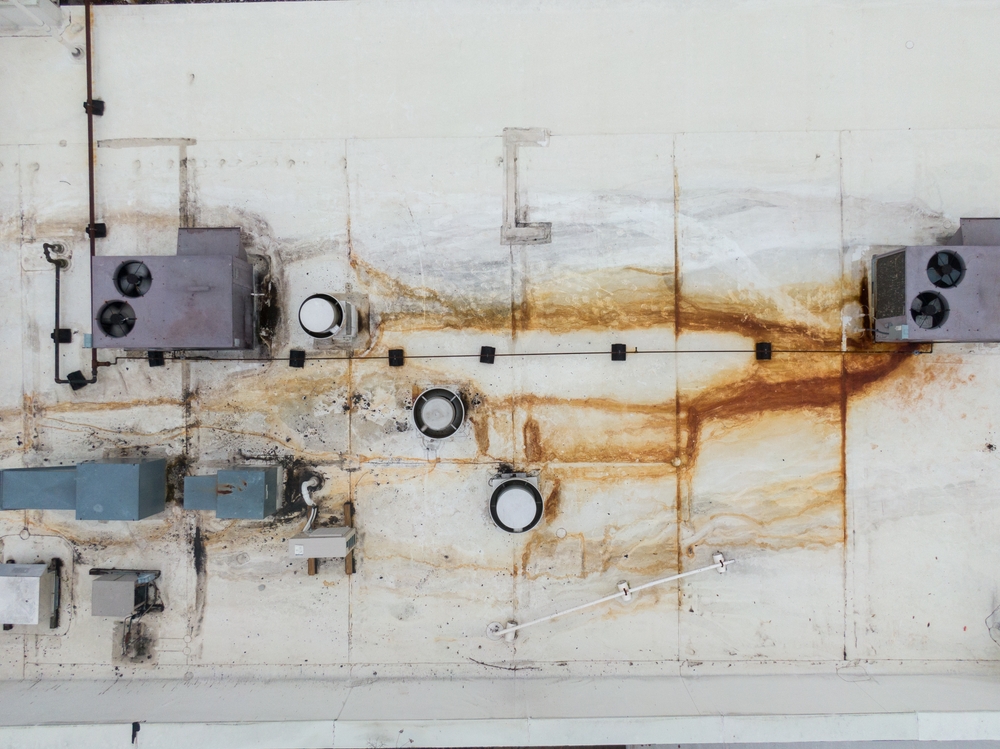
Ponding water can indicate drainage problems, low areas in the roof, or clogged drains that deserve attention.
-
Western Massachusetts winters can expose commercial roofing systems to snow, ice, freezing temperatures, and repeated freeze-thaw cycles.
-
Roof penetrations, seams, flashing, and drainage points are particularly important areas to monitor for deterioration.
-
Commercial buildings in Easthampton, Northampton, Holyoke, and other nearby communities can experience roofing problems differently depending on roof design, age, drainage, and exposure.
-
Interior water stains may appear far from the actual point where water is entering the roofing system.
Why Commercial Roofing Problems Matter in Western Massachusetts
Commercial roofing problems matter in Western Massachusetts because roofs here must perform through substantial seasonal changes, including freezing winter weather, spring precipitation, summer heat, and fall debris. Those changing conditions can expose weaknesses in membranes, flashing, seams, drainage components, and other vulnerable areas.
A commercial roof in Easthampton may spend part of the year dealing with snow and ice, then transition into wet spring weather and warmer summer conditions. Flat and low-slope commercial roofs also depend heavily on effective drainage. Leaves and debris can interfere with drains and contribute to standing water.
For business owners and property managers, roof problems are not limited to the roof itself. Water intrusion can affect insulation, ceilings, inventory, equipment, interior finishes, and occupied spaces.
R & H Roofing LLP serves commercial property owners in Easthampton, MA. We understand that identifying the source of a commercial roofing problem requires looking beyond the most obvious symptom and evaluating the roofing system as a whole.
Local Roofing Conditions and Field Observations
Western Massachusetts commercial roofs are exposed to seasonal conditions that can repeatedly stress roofing materials and drainage systems. Rather than assuming every leak has the same cause, a professional inspection should consider the roof membrane, seams, flashing, penetrations, drainage, and areas where water or winter conditions may concentrate.
In the Pioneer Valley, seasonal transitions deserve particular attention. A roof that appears fine before winter may reveal drainage or flashing problems once snow begins melting. Likewise, debris accumulated during fall can create drainage concerns that become more noticeable during heavy rain or snowmelt.
Property owners should treat these as regional roofing considerations rather than assuming that one condition is responsible for every problem.
How Roof Problems Can Affect Local Businesses
Commercial roofing problems can affect local businesses through water damage, operational interruptions, damaged building materials, and additional repair needs. Addressing a developing problem early can make it easier to limit how much of the building is affected.
For an Easthampton business, even a small leak can become disruptive if water reaches an office, retail space, storage area, production area, or customer-facing portion of the property. Moisture can also enter insulation or other concealed parts of the roofing assembly before obvious interior damage develops.
That makes routine roof observation especially useful after severe weather and during seasonal transitions.
Warning Signs of Commercial Roof Problems
Common warning signs of commercial roof problems include visible membrane damage, standing water, interior stains, deteriorated flashing, and recurring leaks. Property owners should pay attention to both rooftop and interior symptoms because roofing problems do not always appear directly beneath their source.
Watch for:
-
Water stains or discoloration on ceilings and walls
-
Recurring leaks during rain or snowmelt
-
Ponding or standing water that remains after precipitation
-
Cracks, punctures, bubbles, or other visible membrane deterioration
-
Loose or damaged flashing around roof edges and penetrations
-
Clogged or slow-draining roof drains
-
Damp insulation or unexplained moisture inside the building
-
Roofing materials that appear loose, separated, or displaced
A visible symptom does not necessarily identify the complete problem. A professional inspection can help determine where water is entering and what repair approach is appropriate.
When to Call a Commercial Roofing Professional
A commercial roofing professional should be called when you notice active leaks, recurring moisture, damaged roofing materials, drainage problems, or deterioration around seams, flashing, and penetrations. Professional evaluation is also appropriate after severe weather when damage is suspected but not easily visible.
Property owners can safely observe ceilings, walls, and accessible areas from inside the building. They can also note when leaks occur and whether the problem corresponds with rain, snowmelt, or other weather.
Roof access is different. Commercial roofs can present fall hazards, slippery surfaces, electrical hazards, and other risks. Avoid attempting rooftop repairs without appropriate training and safety measures.
For properties in Easthampton and throughout Hampshire County, scheduling an inspection before a small concern becomes an active interior leak can simplify the next steps.
Common Causes of Commercial Roof Problems in Western Massachusetts
The most common commercial roof problems in Western Massachusetts generally involve drainage, membranes, flashing, penetrations, and weather-related wear. Local seasonal conditions can make existing vulnerabilities more noticeable.
1. Drainage and Ponding Water
Flat and low-slope commercial roofs need effective drainage. Clogged drains, debris, or low areas can allow water to remain on the roof longer than intended.
Fall leaves and other debris are especially relevant around the Pioneer Valley. Drainage should be checked before winter and again as seasonal conditions change.
2. Membrane Damage
Punctures, splits, open seams, and other membrane problems can create paths for water intrusion. Damage may result from weather exposure, rooftop activity, equipment servicing, or normal deterioration over time.
3. Flashing Problems
Flashing helps protect roof edges, transitions, walls, curbs, and other vulnerable locations. Loose, separated, or deteriorated flashing can allow moisture into the roofing assembly.
4. Roof Penetration Problems
Vents, pipes, HVAC equipment, and other penetrations create transitions in the roofing system. The materials surrounding these areas should remain properly sealed and maintained.
5. Winter and Freeze-Thaw Conditions
Western Massachusetts regularly experiences freezing winter conditions. Water that reaches vulnerable roof areas can freeze and thaw as temperatures change, potentially worsening existing openings or deterioration.
6. Aging Roofing Materials
Commercial roofing materials naturally change as they age and remain exposed to weather. Older roofs may require more frequent monitoring to identify localized problems before they spread.
Preventing Commercial Roofing Problems
Preventing commercial roofing problems starts with routine inspections, clear drainage, prompt repairs, and additional checks following significant weather events. In Western Massachusetts, seasonal maintenance is especially useful before winter and after snow and ice conditions have passed.
Property owners can monitor interior ceilings and walls, document when leaks occur, and keep accessible ground-level drainage areas clear when it is safe to do so.
Professional roof maintenance can include inspecting:
-
Membranes and seams
-
Flashing and edge details
-
Roof drains and drainage paths
-
Penetrations
-
Rooftop equipment transitions
-
Previously repaired areas
-
Visible signs of moisture or deterioration
DIY maintenance should stop when roof access, repair work, or diagnostic testing is required.
What to Expect From Commercial Roof Service
Commercial roof service should identify the likely source and extent of the problem before determining whether localized repair, broader restoration work, or replacement should be considered. The appropriate result depends on the roof’s condition, age, material, and the nature of the damage.
A leak does not automatically mean an entire commercial roof needs replacement. Conversely, repeatedly patching isolated areas may not be the most practical approach when deterioration is widespread.
An inspection gives property owners better information for comparing those options.
Common Commercial Roofing Mistakes
Common commercial roofing mistakes include waiting for visible interior damage, treating every leak as an isolated problem, and overlooking drainage maintenance. A better approach considers the condition of the complete roofing system and addresses the underlying source.
Mistake: Waiting until water reaches occupied space.
Consequence: Moisture may already have affected insulation or concealed building materials.
Better approach: Investigate recurring stains, damp areas, and other warning signs early.
Mistake: Assuming the leak is directly above the stain.
Consequence: Water can travel through roofing and building assemblies before becoming visible.
Better approach: Have the suspected area professionally evaluated.
Mistake: Ignoring roof drains.
Consequence: Debris can interfere with drainage and contribute to standing water.
Better approach: Include drainage components in seasonal roof maintenance.
Mistake: Repeatedly patching symptoms without assessing overall condition.
Consequence: The underlying source may remain unresolved.
Better approach: Evaluate whether repair or a broader roofing solution makes more sense.
A Common Easthampton Commercial Roofing Scenario
A common local scenario is a commercial property that appears problem-free through much of winter but develops an interior water stain during a thaw or spring rain. The property owner may assume the visible stain identifies exactly where the roof is leaking.
In reality, the source could involve a seam, penetration, flashing detail, drainage area, or another location that allows water to travel before appearing indoors.
This is why diagnosing a commercial leak generally requires inspecting the roofing system rather than simply repairing the ceiling below the stain.
Commercial Roofing Solutions
Commercial roofing solutions can include inspections, maintenance, localized repairs, drainage-related work, and replacement when the condition of the existing roof warrants it. The right option should address the cause of the problem rather than only its visible symptoms.
We can evaluate commercial roofing concerns and help property owners understand the condition of their roof and the available next steps.
Comparing Commercial Roof Repair and Replacement
Commercial roof repair is generally worth considering when a problem is localized and the surrounding roofing system remains serviceable, while replacement may be more appropriate when deterioration is widespread or recurring problems indicate broader roof failure.
Repairs can address specific damaged areas without replacing an otherwise functional system. Replacement represents a larger investment but can make more sense when repeated repairs no longer address the overall condition effectively.
The decision should be based on an inspection rather than the presence of a leak alone.
Commercial Roofing Service Areas
Commercial roofing service is available for property owners in Easthampton and surrounding Western Massachusetts communities. Nearby areas such as Northampton, Southampton, Westhampton, Holyoke, and other parts of Hampshire County and the Pioneer Valley face many of the same seasonal roofing concerns.
Local conditions, roof design, building use, and existing roof condition should all be considered when determining the appropriate service.
The Cost of Ignoring a Commercial Roof Problem
Ignoring a commercial roof problem can allow moisture and deterioration to affect a larger portion of the roof or building. For local businesses, waiting may also increase the risk of interior disruption when the next significant rain, snow event, or thaw occurs.
A small membrane opening or flashing problem may be more manageable when identified early. Once water reaches insulation, ceilings, equipment, inventory, or occupied spaces, the scope of the issue can become more complicated.
Frequently Asked Questions About Commercial Roofing Problems
What are the most common commercial roofing problems in Easthampton, MA?
Common commercial roofing problems in Easthampton include leaks, ponding water, damaged membranes, deteriorated flashing, drainage issues, and problems around roof penetrations. Seasonal snow, ice, rain, temperature changes, and freeze-thaw conditions can expose existing vulnerabilities, making regular inspections and maintenance valuable for commercial properties.
How often should a commercial roof in Western Massachusetts be inspected?
Commercial roofs should be inspected on a routine schedule appropriate for the roof’s age, condition, material, and building needs, with additional evaluation when severe weather or visible damage creates concern. In Western Massachusetts, checking the roof around major seasonal transitions can help identify drainage, membrane, flashing, or winter-related problems.
Is standing water normal on a flat commercial roof?
Standing water that remains on a commercial roof can indicate a drainage or roof-slope concern and should not simply be ignored. Property owners in Easthampton should pay particular attention to recurring ponding around drains, low areas, or rooftop equipment because persistent water can expose existing weaknesses in roofing materials.
Can snow damage commercial roofs in Hampshire County?
Snow and winter conditions can contribute to commercial roofing concerns in Hampshire County, particularly when combined with ice, drainage issues, or existing roof deterioration. Property owners who notice leaks, unusual roof conditions, or interior moisture during snowmelt should arrange an appropriate professional evaluation rather than attempting unsafe winter roof work.
Does a commercial roof leak always require replacement?
No. A commercial roof leak does not automatically mean the entire roof needs replacement. Localized membrane, flashing, seam, or penetration problems may be repairable when the surrounding roof remains in serviceable condition. An inspection is necessary to determine whether targeted repair or a broader roofing solution is appropriate.
Why does my Easthampton commercial roof leak during snowmelt?
Leaks during snowmelt can occur when melting water reaches vulnerable seams, flashing, penetrations, drainage areas, or existing roof damage. Because water may travel before appearing indoors, the visible stain may not reveal the actual source. A roofing inspection can help trace the moisture and identify the affected area.
When is the best time for commercial roof maintenance in Western Massachusetts?
Useful maintenance periods include before winter and after harsh winter conditions, although commercial roofs should be monitored throughout the year. Fall maintenance can identify drainage concerns before snow arrives, while spring evaluation can reveal problems associated with winter weather, snowmelt, freeze-thaw cycles, or accumulated debris.
Should I repair a commercial roof myself?
Commercial roof repairs are generally better handled by qualified roofing professionals because rooftop work involves fall hazards and because an incorrect repair can fail to address the actual moisture source. Business owners can safely monitor interior warning signs and document leak timing, but diagnosis and rooftop repairs require appropriate knowledge, equipment, and safety practices.
Protect Your Western Massachusetts Commercial Property
Commercial roofing problems are easier to manage when warning signs are identified early and the underlying cause is properly evaluated. For Easthampton businesses and property owners throughout the Pioneer Valley, seasonal inspections and timely repairs can help protect the roof, interior spaces, and daily operations.
Get Clear Answers About Your Commercial Roof
We can help you evaluate leaks, damage, drainage concerns, and other commercial roofing problems so you can make an informed decision about the next step.
Categorised in: Commercial Roof Repair
This post was written by admin